Skip to content
Call (714) 775-6775Schedule a tour

Memory Care

The same faces every morning, and a door to the garden.

Memory care at Westbrook Park is a secure, supportive part of the community for residents living with Alzheimer’s disease and other forms of dementia.

It has its own team, its own calendar and a smaller group of residents — so the day stays calm, the faces stay familiar, and there is always somewhere safe to go outside.

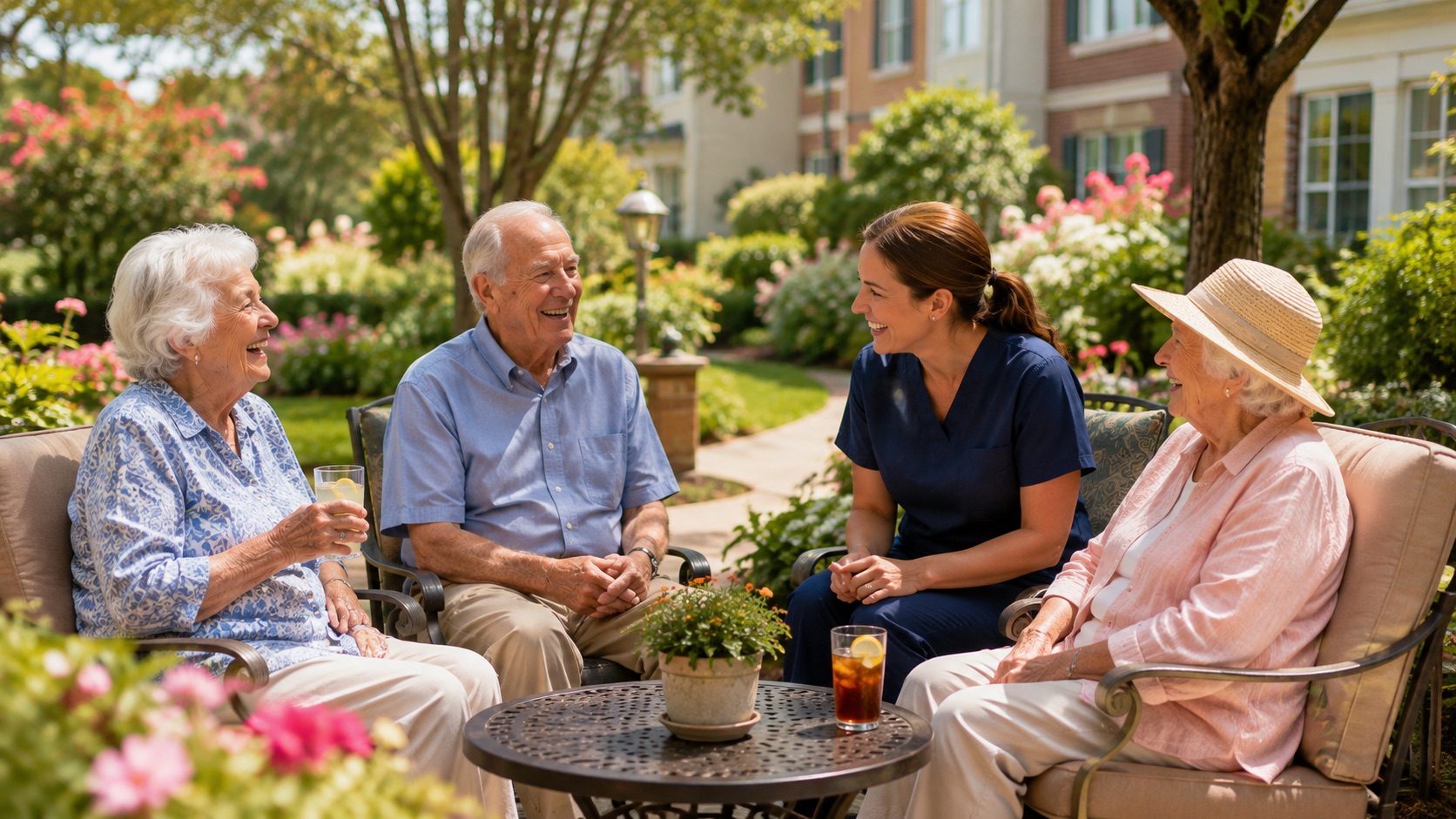
Residents and a member of staff out in the planted courtyard
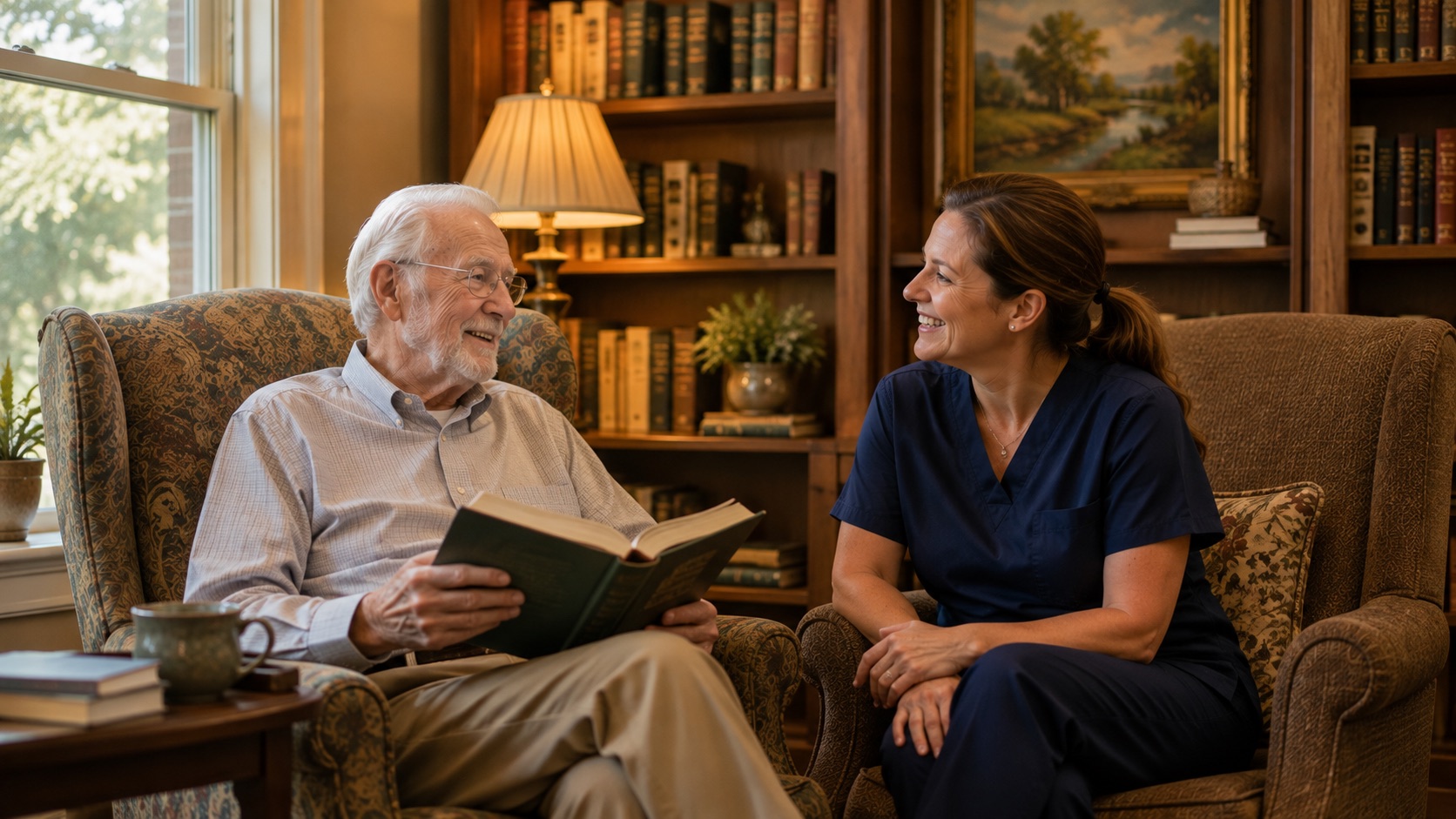
A resident reading with a member of staff sitting alongside

Is it the right fit?

What memory care looks like here.

Memory care is its own secure neighborhood inside the community, staffed by people who work there every day and know each resident by name.

The routine repeats on purpose. A day that looks like yesterday is an easier day to live in, and familiarity does more for someone’s confidence than novelty ever will.

It is the right move when the memory loss has started to affect safety — when someone is getting lost, missing meals or medications, or no longer safe on their own at night.

How we help

Arranged to take the pressure off.

Everything here is set up to make the day easier — the space, the group size, the staffing and the pace.

  • A secure setting

    Entrances and exits are secured, so residents can move around their own part of the community freely without anyone needing to worry about where they have gotten to. Staff are here around the clock.

  • Surroundings that make sense

    Calm colors, home-like furnishings and rooms that are easy to recognize — a library, a game room and the courtyard just outside. Residents bring their own furniture and photographs.

  • The same team, every day

    Care is assigned so residents see the same faces rather than a rota of strangers. Help with dressing, bathing and medication comes from someone they already know.

  • A day with a shape to it

    Several short, planned activities through the day — music, art, gentle exercise, walking, games and time to reminisce — pitched at what each resident can enjoy today.

What the care covers

  • Secured entrances and exits
  • Staff on site around the clock
  • Help with dressing and bathing
  • Medication management
  • Support at every meal
  • Access to the enclosed courtyard

Personalized Alzheimer’s and dementia care.

The programme here is built around the person rather than the diagnosis. These are the four parts of it.

Care built around the person

Creating a sense of purpose, while preserving a sense of self.

The approach is person-centred: creating a sense of purpose for your relative while preserving their sense of self. With gentle guidance and reminders, a secure setting meets them where they are, so they can feel well known and go on flourishing even as the disease advances.
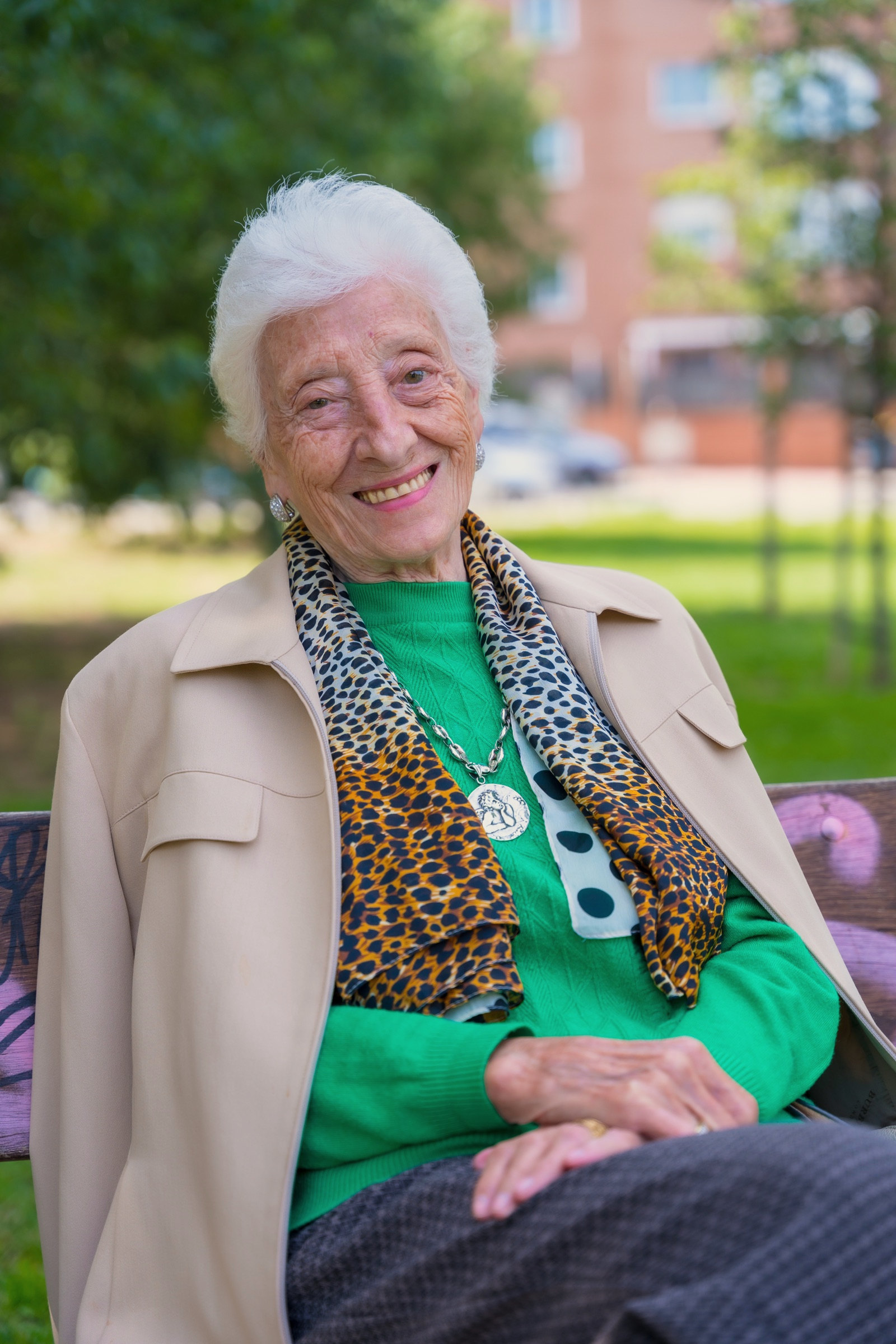
A resident and her daughter close together, mid conversation

A gentle structure to the day

Planned sessions that support what someone can still do.

The day is a gentle structure of planned sessions, built to support your relative’s current abilities and preserve the skills they still have. A morning might open with a cognitive session: discussion and games that ask something of the mind. Physical activity runs through the week too, from exercise classes to walking groups and dancing. A routine like this helps someone feel secure in knowing they are right where they need to be.

A resident in the garden holding a potted plant she has just repotted

Extra support in the later stages

A layer added for advanced dementia, not a replacement.

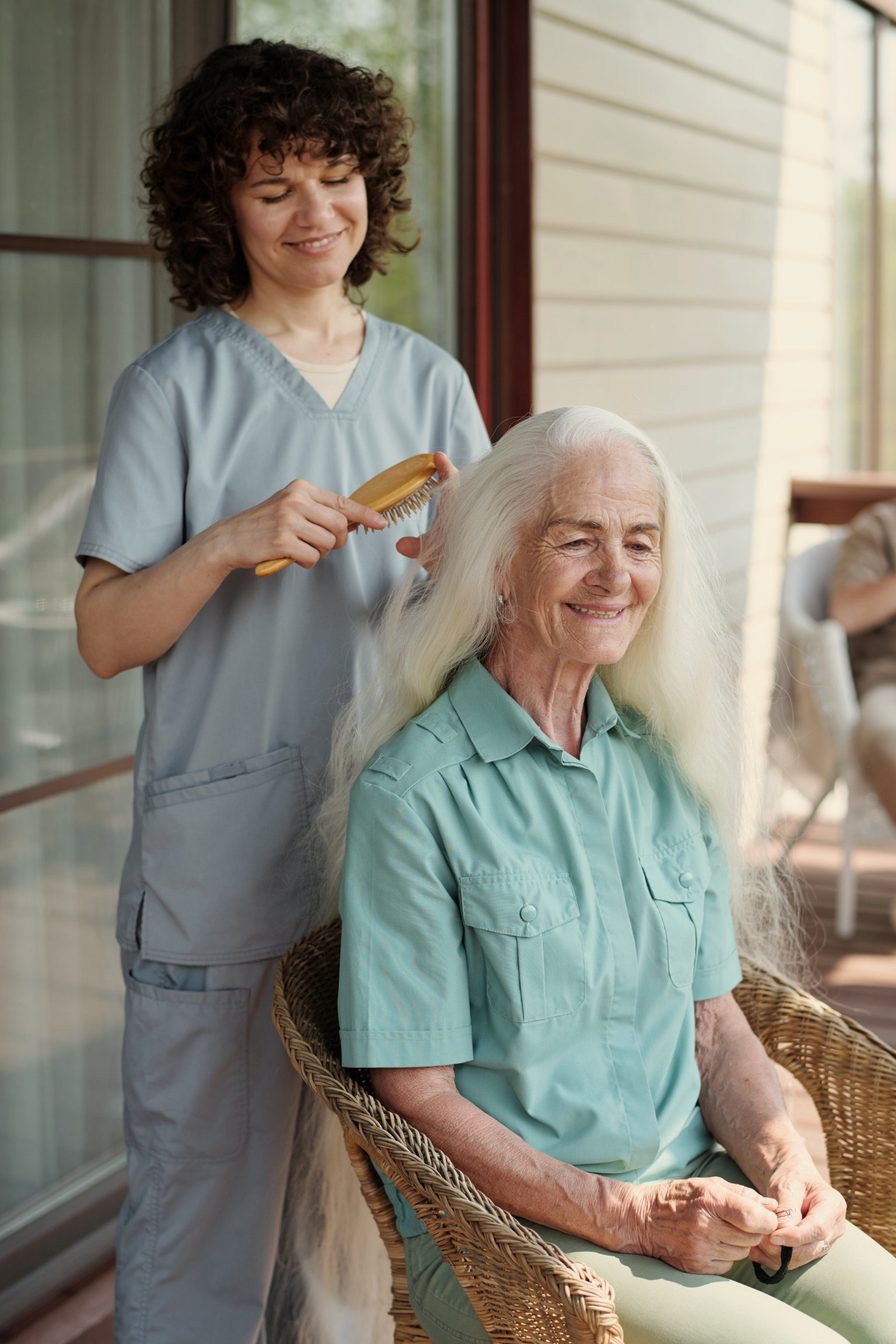
For residents in the advanced stages of dementia, support is added on top of the daily programme rather than replacing any part of it. In practice that means extra time set aside for grooming, activities that work through the senses, familiar music, and aromatherapy.

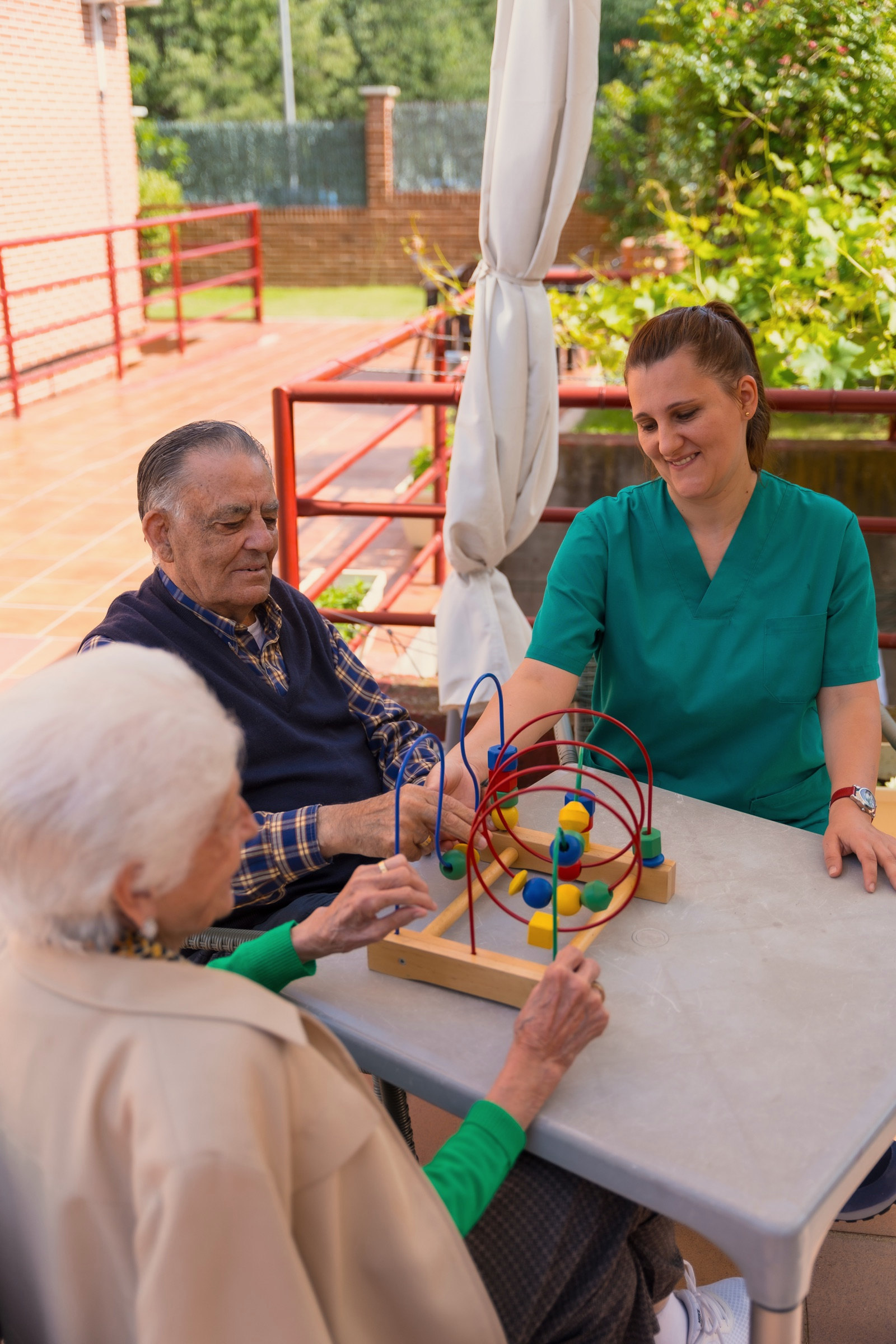
A younger hand resting over an older hand, unhurried

A partnership with the family

Education, connection and support for the people caring.

There is support for the family as well as the resident. That means educational resources about dementia care, events held here at the community, and the chance to build friendships with other families, learn how to advocate for someone who can no longer do it themselves, and support one another through a period that asks a great deal of everybody.

A daughter and her mother holding hands across a lunch table

Included

What the monthly rate covers.

One rate covers the apartment and the day-to-day, so the bills stay simple and there are fewer surprises.

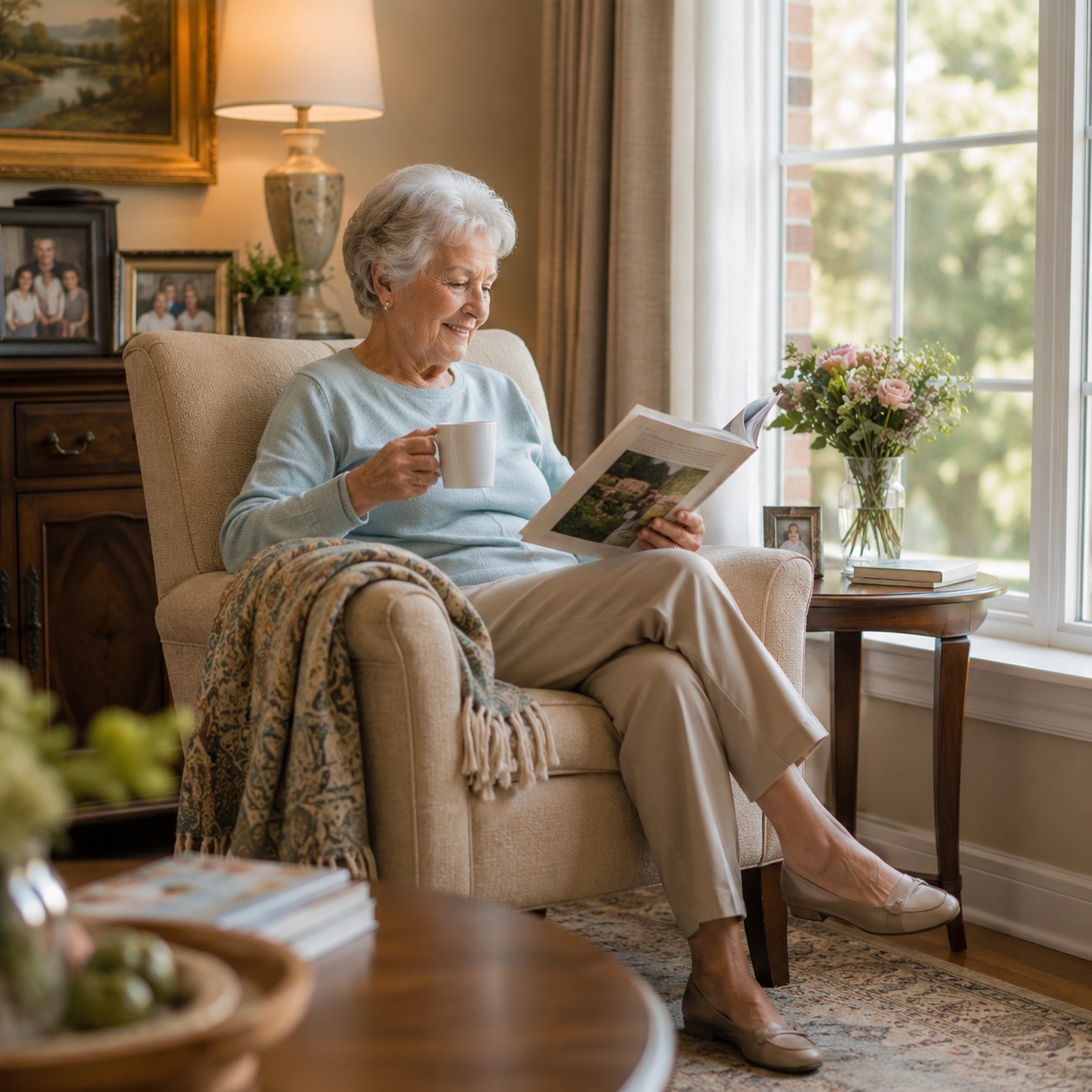
  • A resident with tea and a magazine in her own armchair

    A spacious apartment

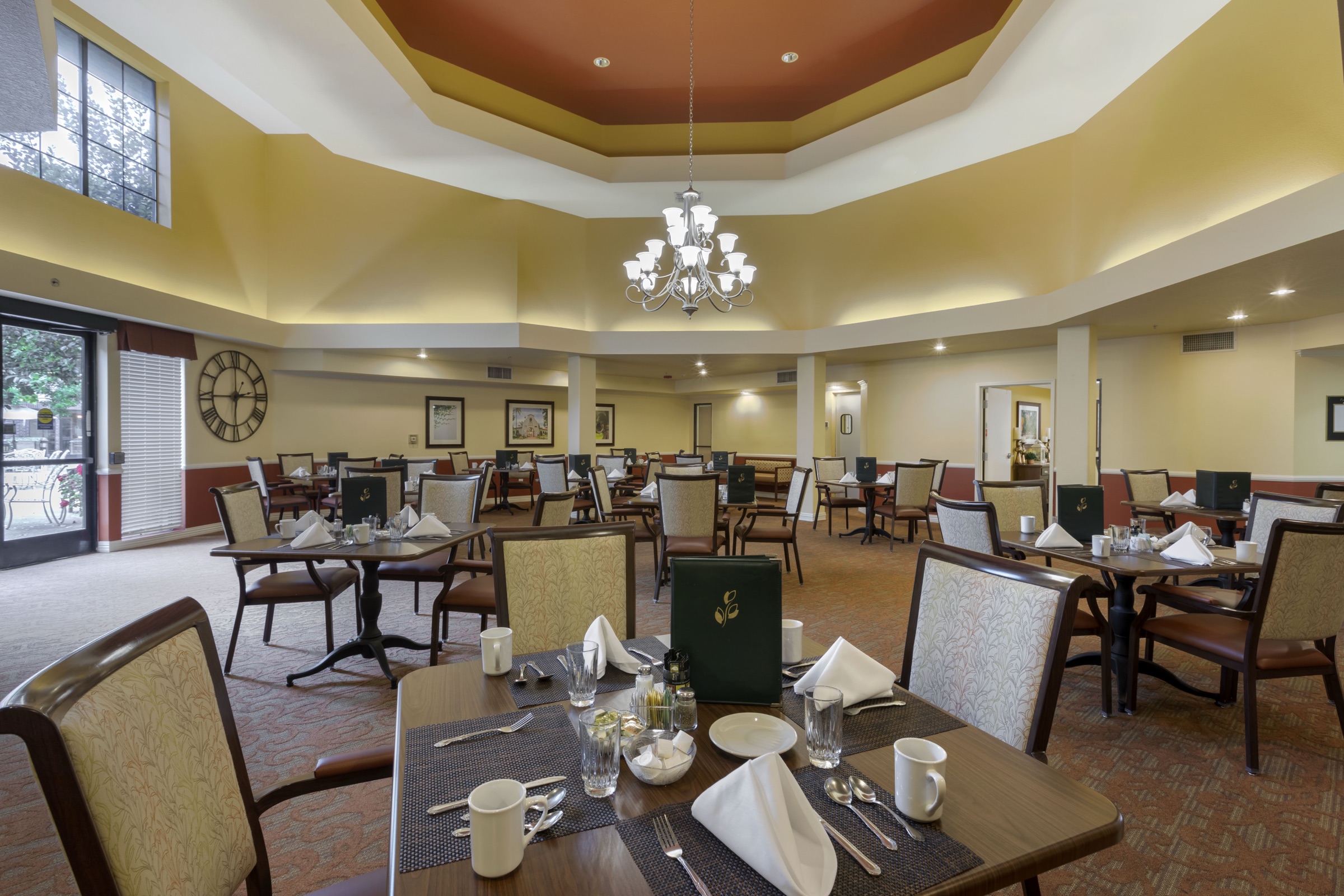
  • The dining room, laid for a meal

    Three meals a day

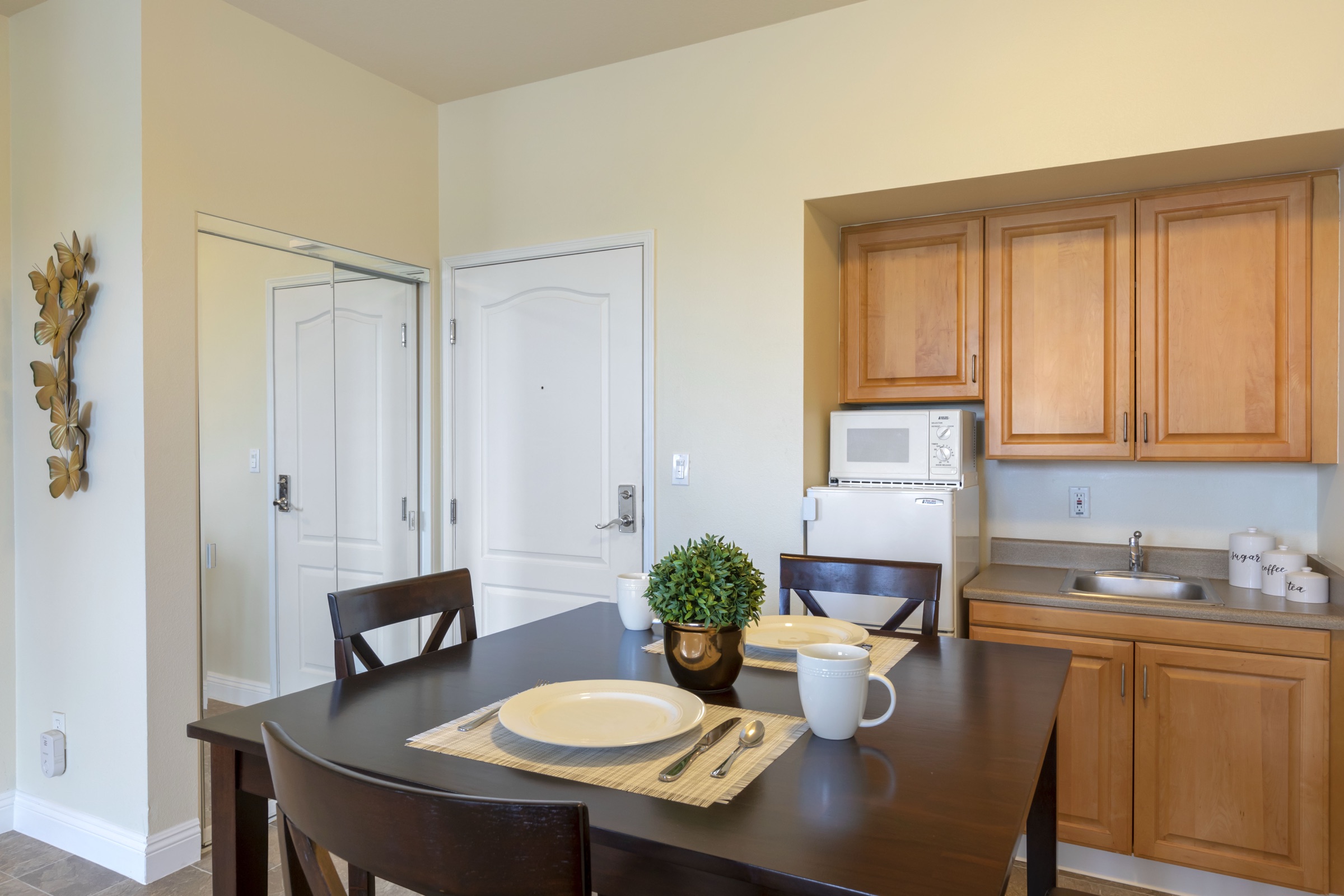
  • A kitchenette, clean and put away

    Housekeeping

  • A seated exercise class in the living room

    Health and wellness programs

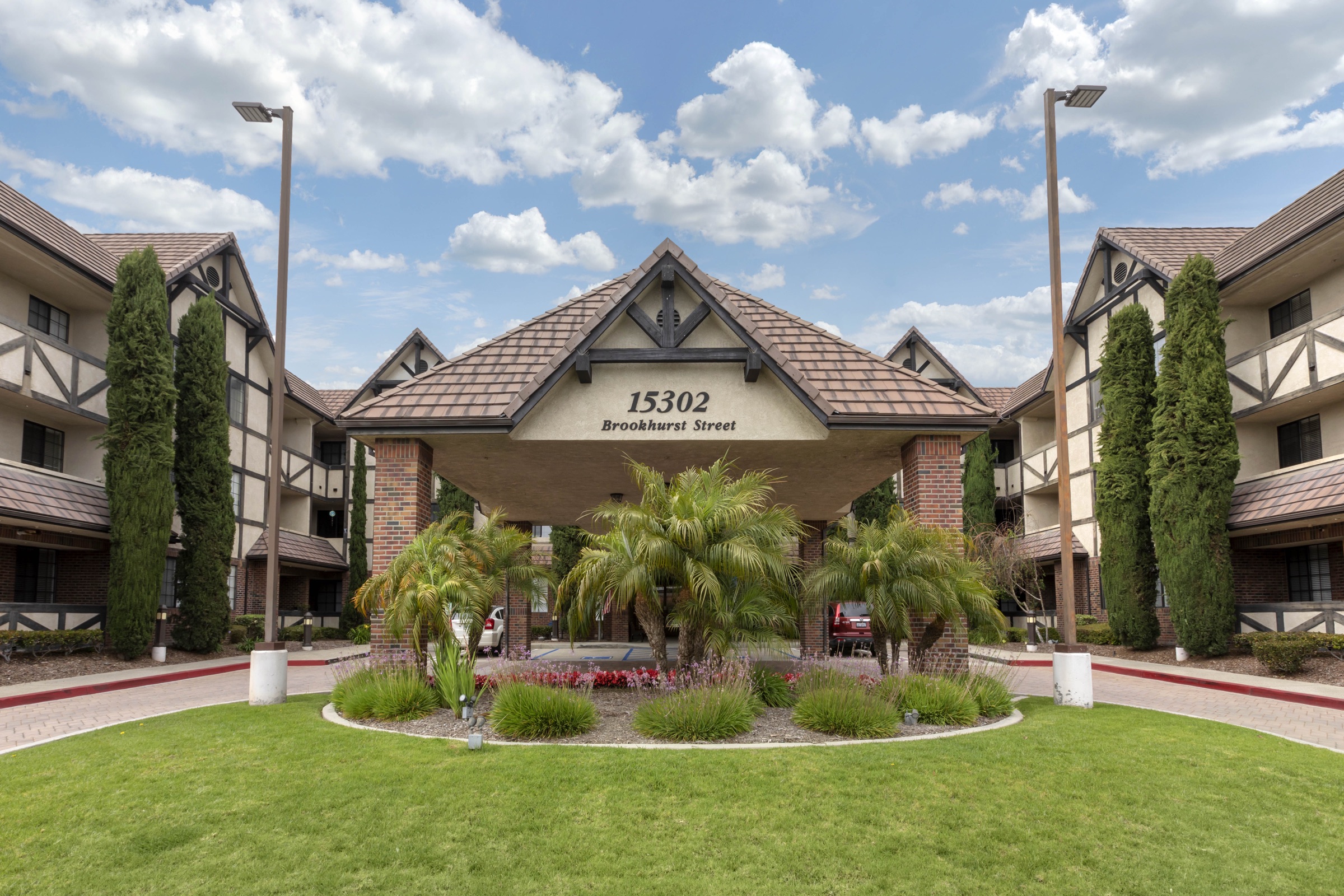
  • The front of the community, where the transport picks up

    Transportation

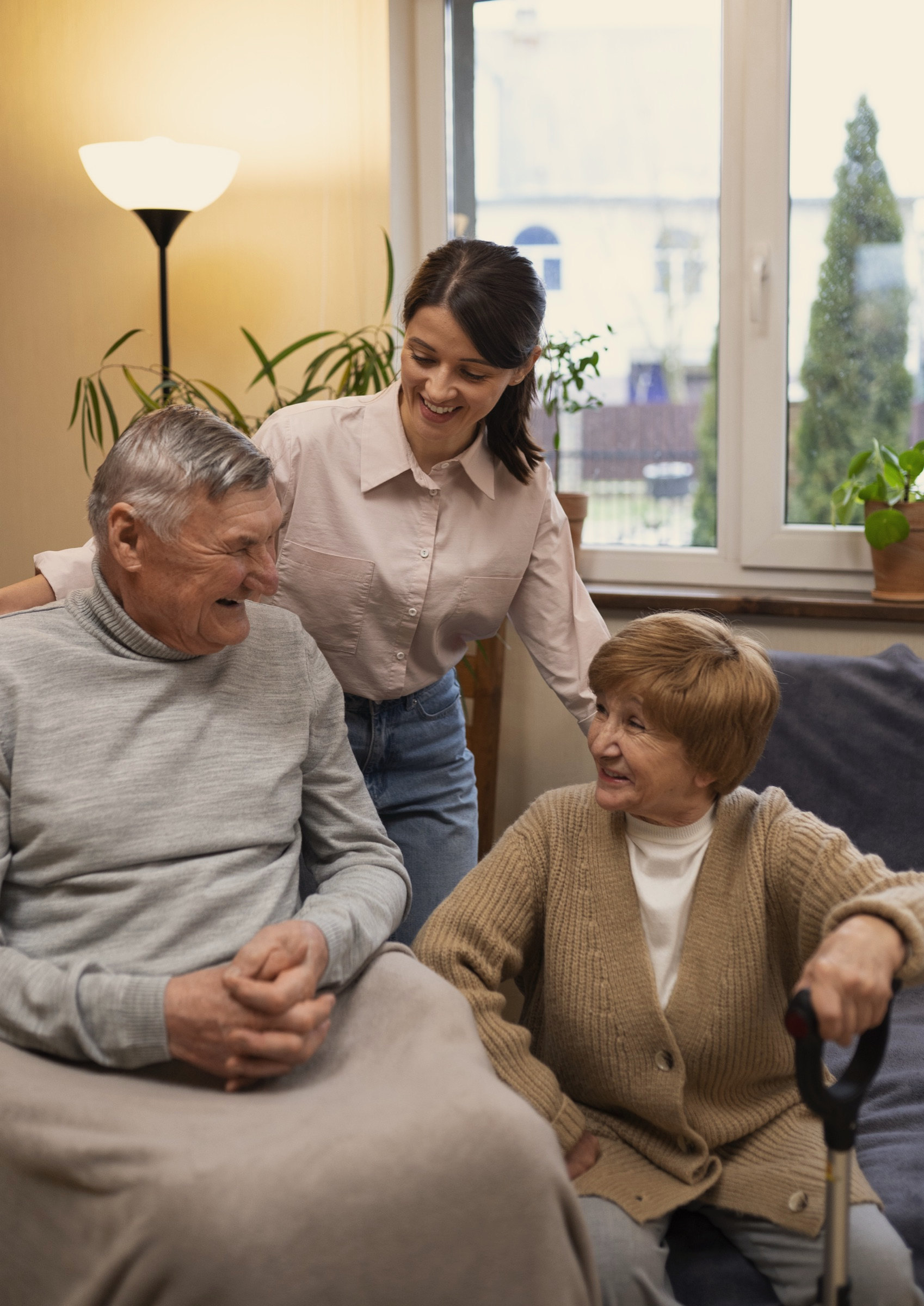
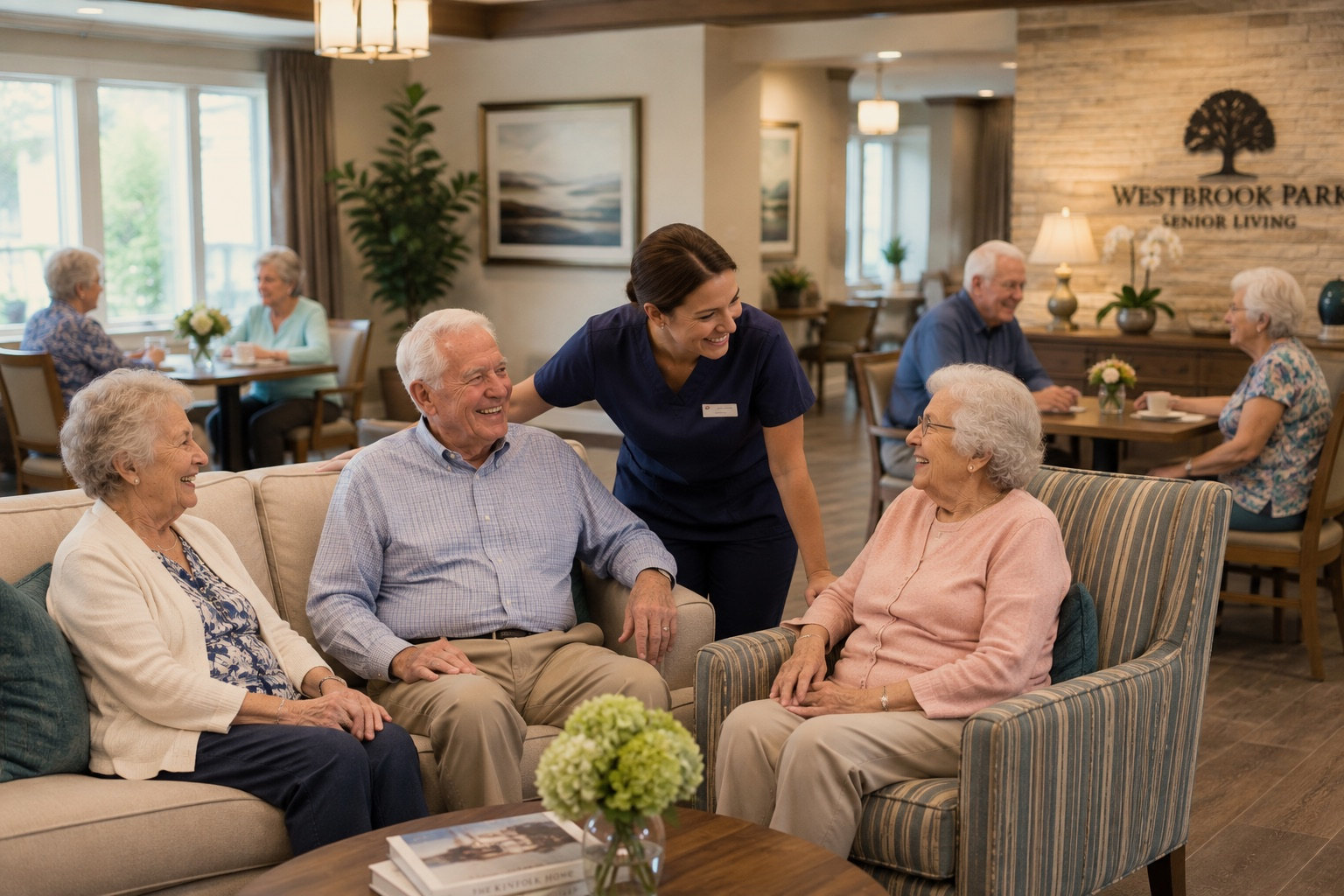
  • A member of staff talking with residents in the lounge

    Staff on site around the clock

Life here

A calendar of its own.

Memory care runs a separate calendar — shorter, gentler and more repetitive by design, built around what residents can enjoy rather than what fills a timetable.

It’s printed monthly and posted where residents and visiting families can see it, and this month’s is here to read before you come.

A resident arranging cut flowers into a jug at a work table

Questions

Questions families ask us.

If yours isn’t here, call us on (714) 775-6775. We’d rather answer it than have you guess.

  • What’s the difference between memory care and assisted living?

    Assisted living is for people who are largely independent but need help with parts of the day. Memory care is for people living with Alzheimer’s or another dementia: the setting is secured, the group is smaller, the staff are trained for it, and the day is built to be recognizable rather than varied.

  • How do we know when it’s time?

    Usually when memory loss starts to affect safety — getting lost on a familiar route, meals or medications being missed, leaving the stove on, or no longer being safe alone at night. If you are already awake worrying about it, it is worth a conversation.

  • How do you keep residents safe?

    Entrances and exits to the memory care neighborhood are secured, staff are on site around the clock, and apartments have emergency call systems. The courtyard is enclosed, so going outside doesn’t mean leaving somewhere safe.

  • Will living here slow the dementia down?

    No. There is no cure, and we won’t tell you otherwise. What a good community can do is help someone hold on to the abilities they still have — regular meals, regular movement, company, and a day with structure all help, and they are hard to keep up at home.

  • Can they bring their own furniture?

    Yes, and it helps. Familiar furniture, photographs and belongings make a new room recognizable much faster than anything we could put in it.

  • How do we stay involved?

    Families are welcome whenever they want to come. We’ll keep you informed as things change, and we can point you to dementia education and support for carers — the diagnosis lands on the whole family, not just the person who has it.

  • What happens as the dementia advances?

    Support increases with it, and it is added rather than swapped — the day keeps its shape, with more help and more one-to-one time inside it. In almost every case that means staying put, with the same people, rather than moving somewhere new.

  • What does it cost, and does Medicare cover it?

    The cost depends on the apartment and the level of care. Medicare does not generally pay for memory care, so most families use savings, the sale of a home, or long-term care insurance. Call us and we’ll go through the numbers honestly.

Visit us

Come and see it for yourself.

Memory care is hard to judge from a page. Come and walk through it, meet the team, and see how the day actually runs — we’ll answer whatever you want to ask, including the things that are difficult to ask.

By submitting, you agree we may contact you about your enquiry. We don’t sell your details.